Virtual Reality is revolutionizing entertainment by offering immersive and interactive experiences.


Introduction
Virtual Reality (VR) is transforming the entertainment industry by creating immersive digital experiences that allow users to feel fully present in virtual environments. From gaming to movies and live events, VR is changing how people interact with content.
What Is Virtual Reality?
Virtual Reality is a technology that uses headsets and motion tracking to simulate a 3D environment. Users can look around, move, and interact with the digital world as if they were physically inside it.
Evolution of VR in Entertainment
VR began as a niche technology but has rapidly evolved with advancements in hardware and software. Early systems were limited and expensive, but modern VR headsets are more affordable, accessible, and capable of delivering high-quality immersive experiences.
VR in Gaming
Gaming is one of the biggest drivers of VR adoption. VR games offer players an interactive experience where they can physically engage with the environment, making gameplay more realistic, engaging, and emotionally immersive.
VR in Movies and Storytelling
Virtual Reality is also changing storytelling by allowing viewers to become part of the narrative. Instead of passively watching, audiences can explore scenes in 360 degrees, creating a deeper emotional connection with the content.
Live Events and Virtual Concerts
VR enables users to attend concerts, sports events, and live shows from anywhere in the world. This creates new opportunities for global audiences to experience events in real time without physical limitations.
Social VR and Virtual Worlds
Social VR platforms allow users to interact with others in virtual spaces. People can meet, communicate, and collaborate in shared environments, creating new forms of social interaction and digital communities.
Hardware and Technological Advancements
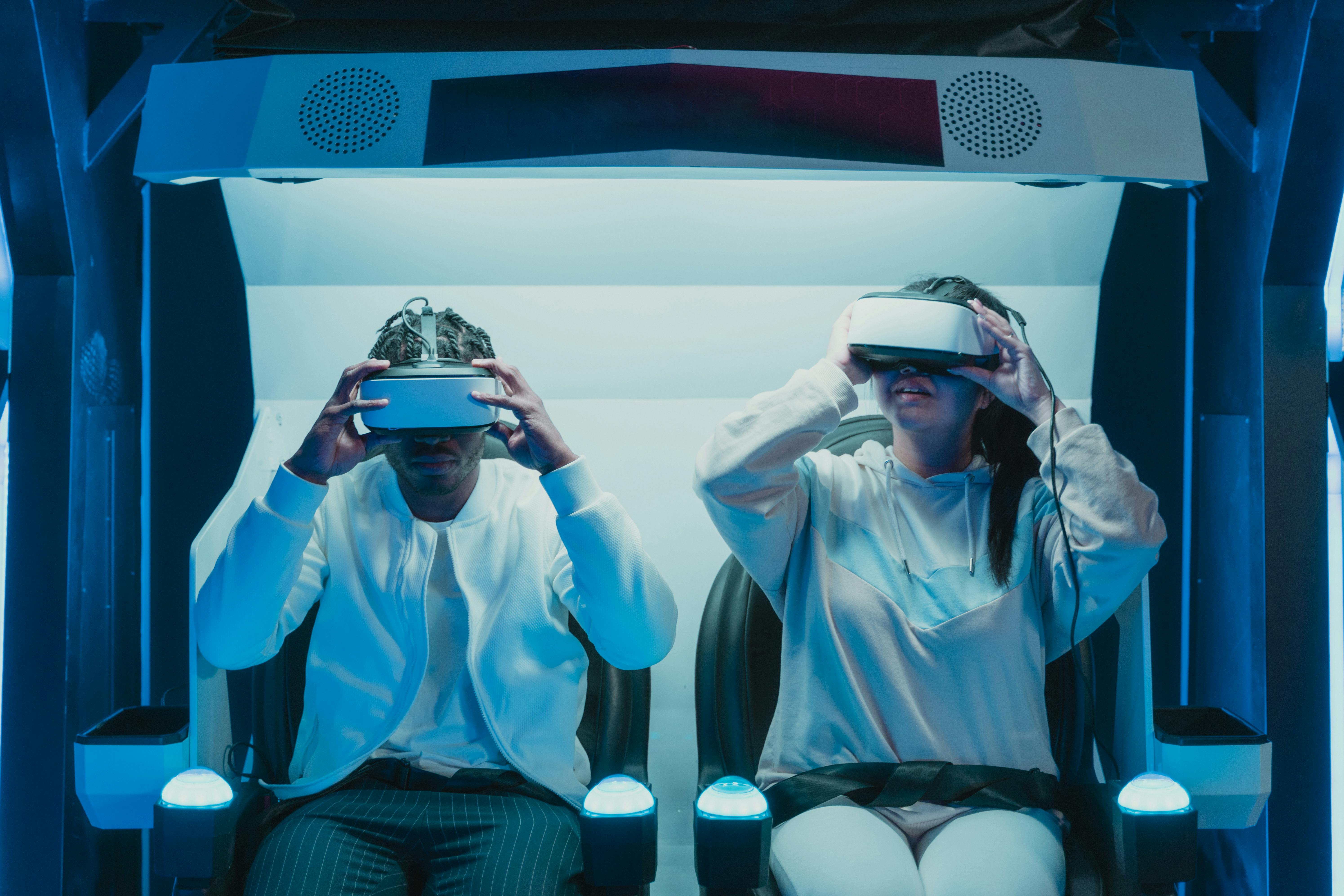
Improvements in VR headsets, motion controllers, and graphics processing have significantly enhanced user experience. Devices are becoming lighter, more comfortable, and capable of delivering highly realistic visuals and sound.
Challenges in VR Adoption
Despite its potential, VR still faces challenges such as high hardware costs, motion sickness, and limited content availability. Overcoming these barriers is essential for mainstream adoption.
Future of Virtual Reality
The future of VR looks promising, with integration into augmented reality (AR), artificial intelligence, and the metaverse. These advancements will further blur the line between physical and digital experiences.
Conclusion
Virtual Reality is revolutionizing entertainment by offering immersive and interactive experiences. As technology continues to advance, VR will play an increasingly important role in how people consume, create, and share entertainment content.