Artificial intelligence is reshaping the healthcare industry by enhancing accuracy


Introduction
Artificial intelligence is transforming healthcare by improving diagnosis, treatment, and patient care. With the ability to analyze vast amounts of medical data, AI is helping healthcare providers deliver faster, more accurate, and more personalized services.
What Is AI in Healthcare?
AI in healthcare refers to the use of advanced algorithms and machine learning models to perform tasks that typically require human intelligence. These include analyzing medical images, predicting patient outcomes, and assisting in clinical decision-making.
Enhancing Diagnosis and Early Detection
One of the most significant contributions of AI is in early disease detection. AI-powered tools can identify patterns in medical data that may be missed by human doctors, enabling earlier diagnosis of conditions such as cancer, heart disease, and neurological disorders.
Personalized Treatment Plans
AI enables personalized medicine by analyzing a patient’s medical history, genetics, and lifestyle. This allows healthcare providers to create tailored treatment plans that improve outcomes and reduce the risk of complications.
Automation of Administrative Tasks
Healthcare systems often deal with large volumes of administrative work. AI helps automate tasks like patient scheduling, billing, and record management, allowing medical staff to focus more on patient care.
Improving Patient Care and Experience
AI-powered chatbots and virtual assistants provide patients with instant support, appointment reminders, and health guidance. This improves accessibility and ensures a more seamless healthcare experience.
Role in Drug Discovery and Research
AI is accelerating drug discovery by analyzing complex biological data and predicting how different compounds will interact. This reduces the time and cost required to develop new medications and treatments.
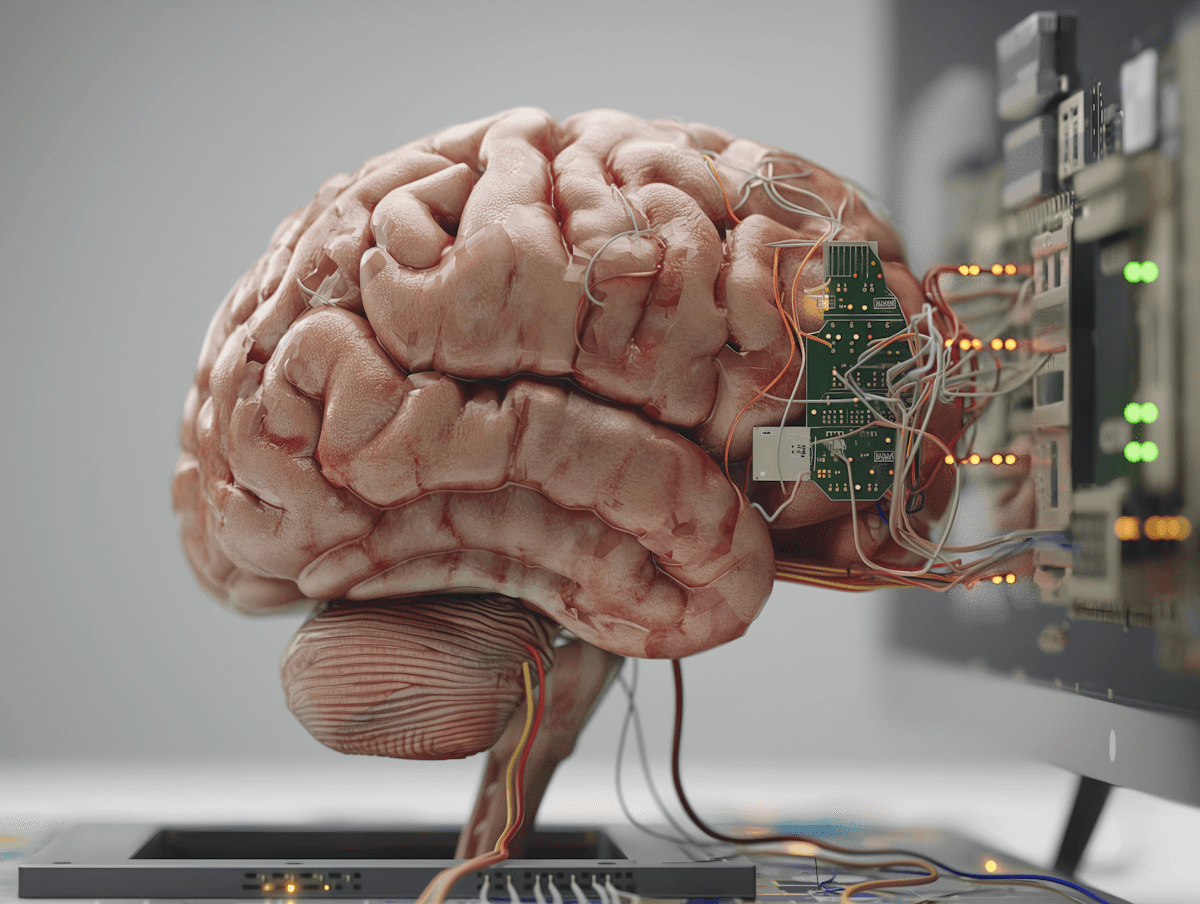
Challenges and Ethical Concerns
Despite its advantages, AI in healthcare raises important concerns. Data privacy, security, and ethical issues such as bias in algorithms must be carefully managed. Ensuring transparency and maintaining patient trust are essential.
Future of AI in Healthcare
The future of AI in healthcare looks promising, with continued advancements expected in robotics, remote monitoring, and predictive analytics. AI will play a key role in creating more efficient, accessible, and patient-centered healthcare systems.
Conclusion
Artificial intelligence is reshaping the healthcare industry by enhancing accuracy, efficiency, and patient outcomes. As technology continues to evolve, AI will become an integral part of modern healthcare, supporting professionals and improving lives worldwide.